Our Office
28562 Oso Parkway, Suite K
Rancho Santa Margarita,
CA 92688
CA 92688
Existing Patients: (949) 505-9901
New Patients: (949) 272-0877
Fax: (949) 505-9902
Visit Us Online

Advances in local anesthesia have shifted the focus from merely numbing a tooth to creating a truly comfortable, low-stress experience for patients. Pain-free anesthesia techniques use technology and refined delivery methods to reduce the sensation of injection, limit unwanted numbness, and speed recovery so patients can return to normal activity quickly. These approaches are designed to make dental treatment more predictable and less intimidating for people of all ages.
When we talk about pain-free anesthesia, we mean more than a gentle touch — we mean delivering medication in a way that minimizes discomfort and avoids numbness beyond the treated area. Computer-assisted systems enable clinicians to control the flow and pressure of local anesthetic precisely, which reduces the sudden pressure or stinging sensations that some patients associate with traditional syringe injections. The result is a calmer experience from the moment anesthesia is administered.
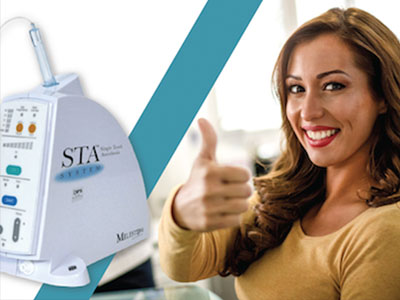
Single-tooth anesthesia (STA) exemplifies this targeted approach. Rather than flooding an entire quadrant with anesthetic, STA aims at the precise nerve endings supplying one tooth. This focused delivery often produces a rapid onset of numbness only where it’s needed, so patients can eat, speak, and smile with less collateral numbness in the lips, tongue, or cheek after a procedure.
For many patients, the psychological impact is equally important: knowing that anesthesia will be administered in a controlled, measured way reduces anticipatory anxiety. That sense of control — combined with gentle delivery — makes it easier for patients to complete necessary dental care without repeated visits simply because of discomfort or fear.
Computer-assisted anesthetic systems regulate both the speed and pressure of injection. By pacing the flow to match the tissue’s ability to accept the anesthetic, the system minimizes the pain that can occur when fluid is forced quickly into sensitive areas. This precision reduces tissue distension and the sharp sensations that sometimes occur with manual injections.
These devices also provide a consistent, repeatable delivery pattern. Consistency matters clinically: when anesthesia is supplied at a predictable rate and volume, clinicians can better anticipate onset times and depth of numbness. That predictability helps the dental team plan procedures more efficiently and reduces the need for supplemental injections.
Another practical advantage is the reduction in collateral numbness. Because the anesthetic targets a narrow area, patients commonly avoid the lingering lip or tongue numbness that accompanies traditional injections. This decreases the risk of accidental biting and makes the recovery window shorter and more comfortable for daily activities.
Importantly, these systems are designed to complement — not replace — professional judgment. The clinician still selects the appropriate anesthetic agent, dose, and injection site based on the patient’s needs. The technology enhances precision and comfort while allowing the dental team to maintain full control over clinical decisions.
Your visit begins with a conversation about medical history and any previous reactions to anesthetics. After a quick assessment, the clinician prepares the delivery system and discusses what you’re likely to feel. Many patients report only a minimal sensation at the start: a gentle pressure or warmth rather than the sharp prick they might expect.
Onset times with targeted systems are often fast. Within minutes you’ll notice numbness localized to the tooth or treatment area, allowing the dentist to proceed with restorative or surgical care without delay. Because the numbness is focused, speech, facial expression, and normal oral function are less likely to be affected for long periods after treatment.
Recovery tends to be more comfortable. Without extended numbness in the lips or tongue, patients can eat and drink sooner and are less likely to accidentally bite soft tissues. The reduced sensory disturbance supports a quicker and more natural return to routine activities following shorter appointments.
Targeted, pain-minimizing anesthesia can be especially helpful for anxious patients and those who have had negative experiences with traditional injections. Children and adults who are sensitive to oral numbness or who rely on clear speech for work find these techniques particularly advantageous. The focused approach is also beneficial for patients with medical conditions that make minimizing systemic anesthetic exposure desirable.
Clinically, these methods are well-suited for many routine and restorative procedures: fillings, crown preparations, and targeted periodontal work can often be completed with single-tooth anesthesia. Endodontic (root canal) therapy and limited oral surgeries may also benefit from the controlled delivery and rapid onset associated with these systems.
Because pain-free anesthesia reduces the need for supplemental injections and can shorten chair time, it’s an excellent option for patients juggling busy schedules or those who prefer fewer visits. By making each appointment more predictable and comfortable, targeted anesthesia helps more people receive the care they need without unnecessary delays.
It’s worth noting that not every case is appropriate for single-tooth or targeted delivery; complex surgeries or extensive block anesthesia may still be required in certain situations. Your clinician will recommend the safest, most effective option based on the planned procedure and your medical history.
Successful use of advanced anesthesia systems depends on clinician training and sound judgment. Dental professionals receive instruction in device operation, anatomy, and appropriate anesthetic selection to ensure safe, effective outcomes. Staff training also covers infection control, emergency protocols, and patient monitoring so comfort enhancements never compromise safety.
Before any anesthetic is administered, the care team reviews your medical history and checks for allergies or conditions that could affect treatment. Dosing follows standard clinical guidelines, and the delivery system’s precise control helps avoid over- or under-dosing. If any complications arise, the office is prepared with established protocols and equipment to respond promptly.
In our practice, we view pain-free anesthesia as part of a broader commitment to comfortable, patient-centered care. We evaluate each patient case-by-case and integrate technology where it improves predictability and reduces discomfort. This philosophy supports faster recovery, fewer unplanned visits, and a smoother overall treatment experience.
At Rise & Shine Dental Group, we combine modern delivery systems with thoughtful clinical assessment so patients receive anesthesia that is both effective and minimally disruptive. Our aim is to provide care that respects your comfort, time, and overall well-being.
In summary, pain-free anesthesia reflects a modern standard of care: targeted, predictable, and designed with the patient’s comfort in mind. If you’d like to learn how these techniques might apply to your treatment plan, please contact us for more information.
Pain-free anesthesia refers to modern local anesthetic techniques and delivery systems designed to minimize the sensation of injection and limit numbness to the treated area. These approaches combine refined injection methods, targeted nerve delivery, and technology that controls flow and pressure to reduce tissue distension and sharp sensations. The overall aim is a predictable, low-stress experience that allows clinicians to begin treatment promptly with less patient anxiety.
By focusing on comfort and precision rather than simply producing broad numbness, pain-free anesthesia helps patients maintain normal oral function sooner and reduces the risk of accidental soft-tissue injury after a procedure. The techniques are adaptable to many routine restorative and periodontal treatments and can be part of a comprehensive, patient-centered plan. When appropriate, the clinician will recommend targeted options that balance effectiveness with minimal sensory disturbance.
Computer-controlled delivery systems regulate the speed and pressure of anesthetic flow so tissues accept the medication more gradually, which reduces the sudden pressure or stinging that some patients feel with manual injections. The devices provide a consistent, repeatable rate of delivery, helping clinicians anticipate onset times and depth of numbness more reliably. This precision lowers the chance of tissue distension and the sharp sensations often associated with traditional syringe techniques.
Because the injection is paced to the tissue's capacity, many patients report only a gentle pressure or warmth rather than a sharp prick, and clinicians require fewer supplemental injections. The controlled delivery also supports targeted techniques, which limit numbness to the treatment area and speed recovery of normal sensation. Consistency in delivery enhances predictability and contributes to a calmer treatment environment.
Single-tooth anesthesia targets the nerve endings supplying one specific tooth rather than anesthetizing an entire quadrant, which helps avoid widespread numbness in the lips, tongue, or cheek. This focused approach is commonly used for fillings, crown preparations, targeted periodontal work, and some endodontic procedures where only one tooth requires profound anesthesia. By directing the anesthetic precisely, clinicians can achieve rapid onset in the treated area while preserving normal oral function elsewhere.
Single-tooth delivery is especially useful for patients who prefer to speak clearly or eat shortly after an appointment and for those who are sensitive to prolonged soft-tissue numbness. It is not appropriate for every case; more extensive surgeries or complex block anesthesia may still be required. Your dentist will evaluate the procedure and your medical history to determine whether single-tooth anesthesia is a safe and effective option.
Your visit will begin with a review of medical history and any previous reactions to anesthetics, followed by a brief explanation of the selected delivery method and what you may feel. Many patients report only a mild pressure, warmth, or brief pinprick instead of the sharp sting they anticipate, and targeted systems often produce numbness localized to the treatment area within minutes. The clinician monitors onset and adjusts as needed to ensure adequate comfort before proceeding.
Because numbness is typically limited, speech, facial expression, and swallowing are less affected for long periods, which can make recovery and immediate post-appointment activities easier. The practice will also discuss aftercare and signs to watch for, and staff are prepared to respond to uncommon reactions. Clear communication before, during, and after anesthesia contributes to a safer, more comfortable experience.
Targeted anesthesia is particularly beneficial for patients who experience anxiety about injections, those who have had unpleasant numbness in the past, and individuals who rely on clear speech or rapid return to normal sensation for work or daily life. Children and adults sensitive to prolonged lip or tongue numbness often find single-tooth and computer-controlled systems preferable because they reduce collateral numbness. Patients with certain medical conditions that favor minimized systemic exposure may also benefit from more focused delivery when clinically appropriate.
Clinically, these methods are well suited for routine restorative care, targeted periodontal procedures, and many endodontic treatments that require localized anesthesia. However, complex surgeries or extensive areas of treatment may still need conventional block anesthesia or other strategies. Your dentist will assess the procedure, your anatomy, and your medical history to recommend the safest and most comfortable approach.
Safety depends on appropriate clinician training, sound clinical judgment, and adherence to established protocols for patient evaluation and dosing. Dental professionals receive instruction in device operation, anatomy, anesthetic selection, and emergency response so that technology enhances, rather than replaces, clinical decision-making. Many manufacturers also design their systems to meet regulatory standards, and clinicians follow institutional and professional guidelines when integrating new devices.
Before administering any anesthetic, the care team reviews medical history, allergies, and medications to avoid contraindications and adjusts dosing accordingly. Staff training includes infection control and monitoring practices so patient comfort improvements do not compromise safety. If an unexpected reaction occurs, the office maintains protocols and equipment to respond promptly and effectively.
Choice of anesthetic agent and dose is individualized based on the planned procedure, the patient’s medical history, and the desired duration and depth of anesthesia. Clinicians consider factors such as patient age, medical conditions, current medications, and previous anesthetic responses when selecting an agent and calculating a safe dose. The technology used for delivery complements these choices by improving precision in administration and reducing the likelihood of under- or overdosing.
When using targeted systems, the dentist may opt for agents with appropriate onset and duration for the specific procedure to limit residual numbness. Exact dosing follows standard clinical guidelines and is adjusted for patient size and systemic considerations. Open communication about health history and current medications helps ensure the safest, most effective anesthetic plan.
Because targeted anesthesia limits numbness to the treatment area, many patients regain normal sensation more quickly and can return to eating, speaking, and other daily activities with less interruption. Reduced lip and tongue numbness decreases the risk of accidental soft-tissue biting and often results in a more comfortable recovery period. The abbreviated sensory disturbance can also make follow-up care and home routines easier for patients managing busy schedules.
Faster return of sensation does not mean less effective pain control during a procedure; it reflects controlled, precise delivery that balances intraoperative comfort with postoperative function. Your clinician will provide specific aftercare guidance and set expectations for when normal sensation should return. If numbness persists beyond the expected timeframe, the practice will advise you on next steps to ensure safety and comfort.
Yes, one practical advantage of computer-assisted and targeted delivery is a reduced likelihood of requiring additional injections during a procedure. Consistent, predictable flow and precise placement increase the chance of achieving effective anesthesia on the first attempt, which shortens chair time and decreases procedural interruptions. That predictability benefits both clinicians and patients by improving efficiency and reducing cumulative injection-related discomfort.
Fewer supplemental injections also lower the cumulative volume of anesthetic and minimize the frequency of tissue trauma associated with repeated needle placements. Nonetheless, no system guarantees success in every case, and supplemental dosing may occasionally be necessary depending on anatomy, inflammation, or procedural complexity. Your dentist will evaluate anesthetic effectiveness continually and provide additional anesthesia when clinically indicated.
At Rise & Shine Dental Group, pain-free anesthesia is incorporated as part of a patient-centered strategy that emphasizes comfort, clear communication, and clinical precision. The care team assesses each patient’s health history and treatment needs, discusses available anesthesia options, and uses technology where it improves predictability and reduces discomfort. Staff training and clinical protocols ensure that advanced delivery systems are used safely and effectively alongside standard anesthetic selection.
Our approach is to recommend targeted techniques when appropriate while retaining clinical flexibility for more extensive cases that require traditional methods. By combining thoughtful assessment with modern delivery systems, the practice aims to make dental treatment less intimidating and more efficient for patients. If you have questions about how these options apply to your care, the team will explain benefits, limitations, and what to expect during your visit.