Our Office
28562 Oso Parkway, Suite K
Rancho Santa Margarita,
CA 92688
CA 92688
Existing Patients: (949) 505-9901
New Patients: (949) 272-0877
Fax: (949) 505-9902
Visit Us Online

Oral surgery is the branch of dentistry that addresses conditions affecting the mouth, jaws, and related facial structures. While general dentists focus on routine prevention and restorative care, oral surgeons manage more complex problems that require surgical skill, advanced imaging, and a coordinated approach with other dental and medical specialists. Understanding when surgical care is necessary helps patients make informed decisions about their treatment path.
Many issues that lead to a surgical referral are not emergencies but planned interventions—such as preparing the jaw for implants, correcting a bite, or removing impacted teeth. Even when a situation is urgent, the goal is the same: restore comfort, preserve function, and protect long-term oral health. Clear explanations and a step-by-step plan help reduce anxiety and improve outcomes for patients facing surgery.
Because surgery can affect both how you look and how you function, oral surgeons take a holistic view of care. They consider factors such as occlusion (bite), jaw joint health, airway concerns, and the relationship between hard and soft tissues. This broader perspective ensures that procedures are designed to produce durable, balanced results rather than isolated fixes.
Tooth extractions range from straightforward removals to more complex operations for impacted teeth. Impacted wisdom teeth, for example, can cause pain, infection, or damage to adjacent teeth if left in place. Removing these teeth at the appropriate time can prevent recurring problems and protect neighboring structures, while careful surgical technique minimizes healing time and discomfort.
Dental implant placement and the procedures that support it—such as bone grafting and sinus elevation—have become central to modern tooth replacement. Implants restore chewing function and help preserve jawbone volume. When bone or soft tissue is insufficient, augmentation procedures rebuild the foundation so implants, crowns, or dentures fit securely and look natural.
Other important surgical services include corrective jaw surgery to address severe bite discrepancies, surgical endodontics to resolve persistent root-related infections, and oral pathology interventions to evaluate and remove suspicious tissue. Emergency surgical care also plays a role in stabilizing facial injuries, addressing infections, and protecting the airway or dental structures when time is critical.
Exposure of impacted teeth for orthodontic purposes is another routine collaboration between surgeons and orthodontists. By exposing and, when needed, repositioning an unerupted tooth, the team creates the conditions for predictable alignment and an optimal final smile. Each procedure is recommended with an eye toward long-term stability and function.
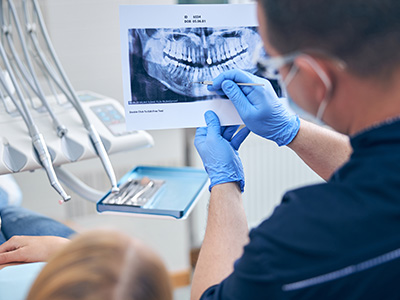
A successful surgical outcome begins with a thorough evaluation. That typically includes a comprehensive medical and dental history, a physical examination, and advanced imaging when indicated. Three-dimensional imaging such as CBCT (cone beam computed tomography) provides detailed views of bone, tooth roots, and vital structures, allowing the surgeon to plan procedures with precision and reduce intraoperative uncertainty.
Preoperative planning also addresses anesthesia and comfort. Oral surgeons are trained in multiple sedation and anesthesia techniques, which lets them tailor the approach to the complexity of the procedure and the patient’s needs. Discussing sedation options, potential side effects, and recovery expectations beforehand helps patients feel prepared and secure.
Medical history is a crucial part of planning. Information about medications, systemic conditions, and past surgical experiences informs decisions about bleeding risk, healing potential, and safe anesthesia choices. When necessary, the surgical team coordinates with primary care physicians or specialists to ensure the safest possible plan for each patient.
Postoperative healing varies by procedure and individual factors, but most patients experience a predictable pattern that includes an early inflammatory phase followed by tissue remodeling. Your surgeon will provide specific instructions for pain control, oral hygiene, activity restrictions, and dietary adjustments to support a smooth recovery. Following these guidelines reduces the risk of complications and speeds the return to normal function.
Follow-up visits are an essential part of care. These appointments allow the team to monitor healing, remove sutures if needed, and make adjustments to the recovery plan. For procedures involving implants or bone grafts, follow-up is also how the surgeon confirms that integration and bone healing are progressing before restorative work such as crowns or dentures begins.
Long-term outcomes depend on both surgical technique and patient participation in postoperative care. Avoiding tobacco, controlling medical conditions like diabetes, and maintaining excellent oral hygiene all contribute to predictable, lasting results. When surgery is performed as part of a coordinated treatment plan, patients can expect restored comfort, improved function, and a durable foundation for future dental care.
Oral surgery is rarely isolated from other dental specialties. Implant placement, jaw correction, and tooth exposure for orthodontics all require close collaboration between surgeons, restorative dentists, orthodontists, and hygienists. This interdisciplinary approach ensures that each phase of treatment supports the next—creating efficient workflows and better outcomes for patients.
Modern imaging and digital planning tools play a major role in predictability. Digital impressions, 3D imaging, and surgical guides allow for highly accurate placement of implants and precise bone shaping. These technologies improve surgical accuracy, shorten procedural time, and often reduce postoperative discomfort by minimizing guesswork during the operation.
At the practice level, continuity of care and clear communication are equally important. When surgical recommendations are explained in plain language and coordinated with a patient’s overall treatment goals, people are more likely to feel confident and engaged with the plan. That sense of partnership helps ensure that surgical care is not only technically excellent but also patient-centered.
In summary, oral and maxillofacial surgery covers a broad set of services designed to restore comfort, function, and appearance when conservative dental care is no longer sufficient. With careful evaluation, modern imaging, and a collaborative approach, surgical treatment can be both predictable and transformative. If you’d like to learn more about surgical options or discuss a specific concern, please contact Rise & Shine Dental Group for additional information and to explore next steps.
Oral and maxillofacial surgery addresses disorders of the mouth, jaws, and related facial structures that require surgical intervention. Common indications include removal of erupted and impacted teeth, repair of dental and facial trauma, and evaluation or removal of suspicious oral lesions. Surgeons also perform corrective jaw procedures, treat temporomandibular joint conditions, and provide airway-related interventions for sleep-disordered breathing. Many facial aesthetic procedures that support oral rehabilitation are also managed within this specialty.
Some surgical needs are urgent, such as severe infections or trauma, while many are planned to improve long-term function and health, like implant preparation or bite correction. A surgeon’s goal is to restore comfort, preserve oral structures, and protect overall function through evidence-based surgical techniques. By taking a broad perspective that includes occlusion, joint health, airway, and tissue relationships, surgeons plan treatments that aim for durable, balanced results. Clear communication about risks, benefits, and expected outcomes helps patients make informed decisions before proceeding.
Signs that warrant an evaluation by an oral surgeon include persistent pain, swelling, recurrent infections, difficulty chewing or opening the mouth, and symptoms related to impacted or damaged teeth. Your general dentist may also refer you when problems require advanced imaging, surgical skill, or coordination with restorative and orthodontic care. In many cases, the decision is based on both clinical findings and patient symptoms rather than a single test. Early consultation can prevent progression of disease and simplify later treatment.
During the evaluation the surgeon will review your dental and medical history, perform a focused examination, and order any necessary imaging to clarify the diagnosis. Recommendations are made with attention to alternatives, timing, and how surgery fits into a broader treatment plan. Where possible, conservative options are considered first, and surgery is recommended when it provides the best chance for long-term stability and function. Patients who understand the rationale and timeline for surgery tend to have more predictable recoveries.
Advanced imaging is a cornerstone of surgical planning; cone beam computed tomography (CBCT) provides three-dimensional views of bone, tooth roots, and adjacent structures that are not visible on standard X-rays. Digital radiography, intraoral photography, and digital impressions are also commonly used to document anatomy and guide precision during procedures. These technologies help identify vital structures, measure bone volume, and anticipate potential challenges before entering the operating field. Accurate imaging reduces intraoperative uncertainty and contributes to safer, more efficient care.
In addition to imaging, a comprehensive review of medical history, current medications, and relevant laboratory tests informs anesthesia choices and bleeding or healing risk. Models, surgical guides, and computer-based treatment simulations may be used for implant placement or complex jaw corrections. When systemic conditions could affect outcomes, coordinated communication with primary care physicians or specialists ensures safe perioperative management. This multi-layered evaluation supports individualized surgical plans designed for predictable results.
Oral surgeons are trained in a range of anesthesia and sedation techniques to match patient needs and the complexity of the procedure. Options commonly include local anesthesia for targeted numbness, nitrous oxide for mild sedation, oral sedatives for moderate relaxation, intravenous (IV) sedation for deeper sedation, and general anesthesia when complete unconsciousness is necessary. Each technique has specific monitoring requirements and recovery considerations that the surgical team will explain before treatment.
Selection of an anesthesia approach depends on the patient’s medical history, anxiety level, and the expected duration and invasiveness of the surgery. Safety protocols include preoperative assessment, intraoperative monitoring of vital signs, and post-anesthesia observation until recovery milestones are met. Discussing prior reactions to medications, sleep apnea, and other health factors helps the team choose the safest, most comfortable option. Clear instructions about fasting and medication use prior to sedation improve safety and recovery.
Preparation begins with a thorough medical and dental review so the surgical team understands medications, allergies, and systemic conditions that could affect care. Follow preoperative instructions regarding fasting, medication adjustments, and tobacco use; these measures reduce risks related to anesthesia, bleeding, and healing. Arrange transportation and a companion for the day of surgery if you will receive sedation or general anesthesia, and plan for a period of rest after the procedure.
Your surgical team at Rise & Shine Dental Group will provide specific guidelines tailored to the planned procedure, including which medications to continue or temporarily stop and how to manage chronic conditions the day of surgery. Wear comfortable clothing and avoid jewelry, makeup, or contact lenses on the day of the operation to ease monitoring and recovery. If you have any concerns about preparation, communicate them beforehand so the team can address potential obstacles and ensure safe, smooth care.
Recovery varies with the type and extent of the surgery, but most patients experience an initial inflammatory phase characterized by swelling, bruising, and some discomfort that peaks within the first 48 to 72 hours. Pain is typically manageable with prescribed or recommended oral medications, and cold compresses and elevation help reduce swelling. Numbness from local anesthesia fades over hours to days, while soft-tissue healing progresses over one to two weeks for routine procedures.
Patients are given specific instructions for oral hygiene, diet, activity restrictions, and wound care to support healing and reduce complications. Follow-up visits allow the surgeon to monitor progress, remove sutures if necessary, and confirm that healing is on track before restorative phases begin. Signs that warrant prompt attention include uncontrolled bleeding, fever, persistent severe pain, or changes in sensation, and patients should contact the surgical team if any concerning symptoms arise. Adherence to postoperative guidance and management of systemic health factors contribute substantially to positive long-term outcomes.
Dental implant placement is a surgical procedure that replaces missing tooth roots with titanium or similarly biocompatible fixtures that support crowns, bridges, or dentures. When jawbone volume or quality is insufficient, bone grafting procedures rebuild the foundation to allow stable implant integration and optimal esthetic results. Grafting techniques and materials vary based on the defect, and the surgeon selects an approach that balances predictable bone regeneration with patient-specific needs.
After implant placement there is a healing period during which the implant integrates with the bone, commonly referred to as osseointegration, before final restorative work is attached. In some cases, implants and grafts are staged across multiple visits to optimize healing, while advances in planning and guided surgery can sometimes allow for more immediate solutions. Close collaboration between the surgeon and restorative dentist ensures that implant position and tissue contours support long-term function and a natural appearance.
Wisdom teeth are often monitored and removed when they cause pain, infection, decay, cyst formation, or damage to adjacent teeth, or when they are likely to create future problems due to impaction or malposition. Not all wisdom teeth require extraction, and the decision is based on clinical evaluation, symptoms, and imaging that reveals how the teeth relate to surrounding structures. Early assessment allows the surgeon to recommend removal at a time that minimizes complications and supports smoother recovery.
Factors such as the angle of impaction, proximity to nerve pathways, and patient age influence the recommended timing and technique for removal. Younger patients often have more favorable healing, while complex root anatomy or close contact with nerves may require advanced imaging and surgical planning. Your surgeon will explain the anticipated benefits and risks and coordinate care with your general dentist or orthodontist when extraction is part of a broader treatment plan.
Corrective jaw surgery, or orthognathic surgery, realigns the jaws to correct significant bite discrepancies, improve facial balance, and address functional problems such as difficulty chewing, speech issues, or airway obstruction. Candidates typically include individuals whose skeletal relationships cannot be corrected with orthodontics alone and who have completed or are willing to undergo coordinated orthodontic treatment as part of the process. The aim is to achieve occlusal stability, improved function, and, where appropriate, enhanced facial proportion.
Preoperative planning combines orthodontic preparation, 3D imaging, and virtual surgical simulations to define the desired movements and predict outcomes. Surgery is performed by an experienced team and is followed by a period of healing and orthodontic refinement to optimize occlusion. Candidates are evaluated for medical fitness, realistic expectations, and commitment to the coordinated treatment timeline, all of which contribute to successful, lasting results.
Oral surgery is often one part of a larger treatment plan that involves restorative dentists, orthodontists, hygienists, and medical specialists, and coordinated care ensures each phase supports the next. Interdisciplinary planning meetings, shared imaging and records, and clear communication about timing and objectives help create efficient workflows and reduce the risk of misalignment between surgical and restorative goals. This team-based approach protects function and esthetics and streamlines the pathway from diagnosis through final rehabilitation.
Technology such as digital impressions, CBCT imaging, and surgical guides enhances collaborative planning by providing a precise, shared reference for all providers. At Rise & Shine Dental Group, the surgical team emphasizes continuity of care and plain-language explanations so patients understand how each specialist contributes to the overall plan. When care is coordinated and transparent, patients experience smoother treatment progress and more predictable long-term outcomes.