Our Office
28562 Oso Parkway, Suite K
Rancho Santa Margarita,
CA 92688
CA 92688
Existing Patients: (949) 505-9901
New Patients: (949) 272-0877
Fax: (949) 505-9902
Visit Us Online

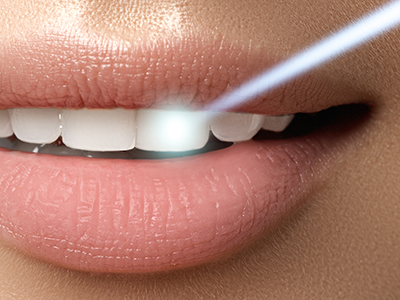
Laser dentistry refers to the use of focused light energy to perform or assist with a range of dental procedures. Unlike traditional mechanical instruments, dental lasers can target specific tissues with a high degree of control, allowing clinicians to remove or reshape soft tissue and, in some cases, hard tissue while preserving surrounding structures. This precision changes how many routine and specialized treatments are planned and delivered.
At its core, laser work is not a single technique but a family of technologies. Different types of lasers produce different wavelengths of light, each interacting with oral tissues in unique ways. That variety gives dentists more tools to tailor treatment to the needs of the tooth or gum being treated, rather than relying solely on one method for every situation.
For patients, the practical outcome is often a quieter, less invasive experience. Many people find laser procedures more comfortable because lasers can reduce vibration, heat, and mechanical pressure compared with handpieces and scalpels. Those advantages make lasers an appealing option for patients who want effective treatment with less disruption to their daily lives.
Dental lasers deliver concentrated light energy that is absorbed by either water or pigments in the targeted tissue. When absorbed, that energy can vaporize tissue, coagulate small blood vessels, or stimulate biological responses at a cellular level. This targeted energy transfer is what enables precise cutting, removal of diseased tissue, or surface sterilization without unnecessarily affecting neighboring healthy tissue.
Different laser systems are selected based on the intended use. Some lasers are optimized for soft tissue procedures—such as reshaping a gumline or removing lesions—while others are designed to interact with harder materials like enamel or dentin. The clinician’s training guides the choice of device and the settings used for a given procedure.
Because lasers can seal small blood vessels as they work, many procedures involve less bleeding and a clearer surgical field. That coagulative property also contributes to reduced swelling and often a faster recovery, which benefits both clinicians and patients during the post-operative phase.
At Rise & Shine Dental Group, we are exploring advanced solutions to support oral health and tissue healing, including LASER assisted tissue regeneration. This cutting-edge technology uses focused laser energy to stimulate the natural regeneration of gum and soft tissue, promoting faster healing and improved outcomes for patients with gum disease, tissue damage, or other oral health concerns.
The benefits of laser-assisted therapy include precision targeting, minimal discomfort, and reduced recovery time compared with traditional surgical methods. By encouraging the body’s own healing processes, this approach helps preserve healthy tissue, maintain gum structure, and support long-term oral stability. It is particularly effective when combined with comprehensive periodontal care and preventive strategies, allowing patients to achieve optimal oral health while minimizing invasive procedures.
Our team evaluates each patient’s unique needs and oral condition to determine if laser-assisted tissue regeneration is appropriate. While we are currently selecting the best equipment to meet the high standards of our practice, we are committed to integrating innovative, evidence-based treatments that enhance patient comfort and outcomes. LASER assisted tissue regeneration represents one of the many ways we aim to provide advanced, personalized care for our patients’ smiles.
Lasers are used across a broad spectrum of dental care. In preventive and restorative dentistry, they can help remove decay in certain shallow cavities and prepare surfaces for bonding. In periodontal care, lasers assist with bacterial reduction, pocket decontamination, and precise soft tissue contouring. For oral surgeons and general practitioners, lasers can aid in performing biopsies or removing small oral lesions with minimal collateral damage.
Cosmetic and adjunctive applications are also growing. Some in-office whitening systems use laser or light activation to accelerate the bleaching process, and lasers can refine gingival contours to improve the appearance of a smile. In implant and endodontic settings, specific laser wavelengths have been used to reduce microbial levels and improve access during otherwise difficult procedures.
It’s important to note that laser therapy is a complement rather than a universal replacement. For example, deep decay beneath extensive restorations or complex crown preparations may still require traditional rotary instruments. Clinicians often combine laser treatment with conventional techniques to achieve the best clinical outcome for each patient.
One of the most noticeable differences for patients is the reduction in the typical stresses associated with dental visits. Lasers minimize the loud noise and vibrations common with drills, which can help lower anxiety for many individuals. Because lasers can work without direct physical contact and often without producing heat or pressure, there is frequently less need for local anesthesia in minor soft tissue procedures.
Safety protocols are central to all laser use in dentistry. Practitioners wear protective eyewear matched to the laser’s wavelength, and staff observe controlled procedural workflows to avoid accidental exposure. Modern dental practices that offer laser services follow manufacturer guidelines and professional standards to ensure safe, effective care.
Healing after laser procedures can be more comfortable for patients in many cases. Reduced bleeding and inflammation often translate to less post-operative soreness and a quicker return to normal activities. That said, the precise healing timeline depends on the extent of treatment and the patient’s overall health—so clinicians typically provide personalized aftercare instructions.
Laser dentistry is an excellent option for many patients and procedures, but it is not universally applicable. Ideal candidates are those with localized soft-tissue concerns, limited decay treatable by laser systems, or a preference for minimally invasive approaches where clinically appropriate. Dentists evaluate medical history, oral anatomy, and the goals of care before recommending laser-based options.
There are limitations to consider. Some lasers do not interact effectively with restorative materials or deeply seated decay, so traditional tools remain necessary for those situations. Additionally, certain surgical and restorative procedures require tactile feedback and access that currently only manual instruments can provide.
The best way to determine suitability is a consultation with a trained dental professional. They will assess the case, explain which laser systems might be useful, and outline the expected outcomes and alternatives. For patients in and around Rancho Santa Margarita seeking modern, conservative dental care, a discussion about laser options can clarify whether this technology is a good fit for their treatment plan.
In summary, laser dentistry, including LASER assisted tissue regeneration, offers precise, often gentler alternatives to traditional instruments for a number of soft- and hard-tissue applications. When applied by trained clinicians, lasers can improve comfort, reduce bleeding, and support faster recovery in appropriate cases. If you’d like to learn more about how laser technology might be used in your care, contact Rise & Shine Dental Group to discuss your needs and schedule a consultation. We’re happy to explain whether laser dentistry is a suitable option for your oral health goals.
Laser dentistry uses focused light energy to cut, vaporize, coagulate, or otherwise interact with oral tissues in a controlled way. Unlike rotary instruments and scalpels, lasers transfer energy without necessarily applying mechanical pressure, which allows clinicians to target only the tissues they intend to treat. That precision reduces collateral damage to nearby healthy tissue and changes how some procedures are planned and executed.
Different laser wavelengths interact with water, pigments, and mineral content in tissues, so the effect depends on the device and settings chosen by the clinician. Because energy absorption is selective, lasers can be optimized for soft-tissue work, certain hard-tissue applications, or antimicrobial surface treatment. In practice, lasers expand the clinician’s toolkit rather than serving as a single replacement for all conventional instruments.
Dental practices commonly use several classes of lasers, with each type tuned to different wavelengths and clinical uses. Diode lasers are frequently used for soft-tissue procedures like gingival contouring and pocket decontamination, while erbium and CO2 lasers can interact effectively with both soft tissue and some mineralized structures such as enamel and dentin. Other systems, like Nd:YAG lasers, may be used for specific periodontal or surgical indications where deeper tissue penetration or hemostasis is desirable.
The clinician’s selection of a laser is guided by the intended tissue response and clinical goals rather than a one-size-fits-all approach. Manufacturers provide recommended settings and safety protocols, and experienced clinicians adjust power, pulse duration, and delivery method to match the procedure. Understanding the capabilities and limits of each laser type is essential for safe, effective care.
Lasers are useful across preventive, restorative, periodontal, surgical, and cosmetic applications. Common uses include precise soft-tissue contouring for improved esthetics, removal of small oral lesions or biopsies, treatment of periodontal pockets to reduce bacteria and promote tissue healing, and selective removal of shallow decay in certain cavities. Adjunctive uses include disinfecting root canals, assisting with implant site management, and accelerating aspects of in-office whitening when appropriate.
While lasers add value to many procedures, they are most beneficial when paired with sound clinical judgment and conventional techniques. Some crown preparations, extensive restorations, and deep decay still require rotary instruments or other approaches for predictable results. A combined treatment plan that leverages lasers where they provide clear advantages typically yields the best outcomes.
Many patients notice a quieter, less vibratory experience during laser procedures compared with traditional drilling or cutting. Because lasers frequently cause less bleeding and can seal small blood vessels as they work, the clinical field is often clearer and post-operative swelling is reduced. In many minor soft-tissue treatments, topical or no local anesthesia is required, though clinicians tailor pain control to the patient and the specific procedure.
Practices using dental lasers follow strict safety protocols to protect patients and staff, including wavelength-specific protective eyewear and controlled treatment workflows. The overall goal is a comfortable appointment with efficient treatment delivery and a minimized recovery period. As with all dental care, clinicians explain what to expect beforehand and provide individualized aftercare instructions.
When used by trained clinicians who follow manufacturer and professional guidelines, dental lasers are a safe and effective tool. Safety measures include wavelength-specific protective eyewear for everyone in the room, controlled access to the operatory while the laser is active, and properly maintained equipment with appropriate shielding and handpieces. Clinicians also receive training on the physics of the device, tissue interactions, and emergency protocols to reduce risk.
Patient safety depends on appropriate case selection as much as device handling; clinicians screen medical history and oral anatomy to identify any factors that affect suitability. For certain medical conditions or photosensitizing medications, lasers may be contraindicated or warrant extra precautions. Clear communication and a documented treatment plan help ensure safe outcomes.
Lasers commonly produce less bleeding and inflammation than conventional cutting instruments because they coagulate small blood vessels and reduce bacterial load in the surgical field. This often leads to decreased post-operative discomfort and a faster initial healing phase for many soft-tissue procedures. Reduced swelling and a cleaner wound environment can also lower the risk of short-term complications and make recovery more predictable.
Despite these advantages, proper aftercare remains essential and varies by procedure. Clinicians provide specific instructions regarding oral hygiene, dietary choices, activity restrictions, and signs of infection or delayed healing to monitor for. Patients with systemic health issues or complex procedures may receive tailored follow-up to support optimal tissue regeneration.
Lasers are not universally appropriate for every dental situation and work best in carefully selected cases. Deep decay beneath existing restorations, complex crown preparations, and some full-thickness surgical procedures still require conventional rotary instruments or scalpel-based techniques that provide tactile feedback and access. Additionally, certain restorative materials do not interact well with specific lasers, limiting their usefulness in those contexts.
Clinicians decide on laser use after evaluating the tooth structure, surrounding tissues, and overall treatment goals; in many cases a hybrid approach that combines lasers with traditional methods produces the best outcome. Open discussion during the treatment planning visit helps patients understand the clinical reasoning behind any recommended approach.
While laser technology continues to evolve, it is unlikely to replace all traditional dental instruments because each tool has distinct advantages. Rotary instruments, hand instruments, and scalpels provide tactile sensation, speed, and material removal characteristics that remain important for many restorative and prosthetic procedures. Lasers are best viewed as complementary tools that expand a clinician’s ability to perform less invasive, more precise work in appropriate cases.
Ongoing research, improved devices, and expanded training will increase laser applications over time, but clinicians will continue to select the method that best fits the clinical need. Patients benefit most when practices integrate lasers thoughtfully into comprehensive treatment planning rather than using them as a universal one-size-fits-all solution.
The most reliable way to determine suitability is a clinical consultation that includes an oral exam, review of medical history, and discussion of your goals. During that visit the clinician can explain which laser systems might be relevant, describe alternatives, and outline expected outcomes and aftercare. A collaborative conversation helps align the treatment plan with the patient’s comfort level and long-term oral-health objectives.
If you would like to explore laser options locally, request a consultation at Rise & Shine Dental Group in Rancho Santa Margarita to discuss your case and ask specific questions about how lasers might be used. The practice can explain the technology, indications, and any preparatory or follow-up steps so you can make an informed decision.
Look for clinicians who have completed formal training in laser physics, tissue interactions, and hands-on clinical protocols from reputable organizations or manufacturers. Continuing education courses, certificates, and documented experience with specific laser systems indicate that a clinician understands both the capabilities and limitations of the technology. Additionally, staff training and adherence to safety protocols demonstrate a practice-level commitment to responsible laser use.
The office of Rise & Shine Dental Group integrates modern technology with evidence-based practices, and a qualified clinician will explain their training, the device being used, and the expected clinical benefits before treatment. Asking about outcomes, follow-up procedures, and how the practice monitors safety can help you choose a provider with the right expertise for your needs.