Our Office
28562 Oso Parkway, Suite K
Rancho Santa Margarita,
CA 92688
CA 92688
Existing Patients: (949) 505-9901
New Patients: (949) 272-0877
Fax: (949) 505-9902
Visit Us Online

A filling is more than a patch — it’s a way to preserve the structure, strength, and long-term health of a tooth that has been weakened by decay or minor injury. By removing damaged tissue and replacing it with a stable restorative material, we stop decay from progressing and help the tooth continue doing its job: biting, chewing, and supporting your smile.
Cavities remain one of the most common dental problems across all age groups, and addressing them promptly prevents more invasive treatment later. When detected early, a well-placed filling can be completed quickly and with conservative removal of healthy tooth tissue, giving you a reliable result that looks and functions naturally.
At Rise & Shine Dental Group, our goal is to combine careful diagnosis with modern materials and techniques so your restoration is both durable and discreet. We focus on preserving as much natural tooth as possible, using materials selected to match the location of the tooth, your chewing habits, and your cosmetic expectations.
Humans have attempted to repair teeth for millennia, and the evolution of filling materials is a story of improving durability, safety, and appearance. Early restorations were rudimentary by modern standards, but modern dentistry now offers a wide range of options that are safer and far more aesthetic than those used even a generation ago.
Over the last several decades, the shift toward tooth-colored, mercury-free materials has transformed restorative care. These contemporary options allow clinicians to restore strength and function while matching a tooth’s natural shade and translucency, making the restoration virtually invisible in most situations.
While metal restoratives still have a role in certain clinical scenarios, patient preferences and advances in adhesive dentistry mean white restorations are increasingly the first choice for many indications. The decision is individualized — based on the tooth’s location, the extent of decay, and long-term goals for the smile.
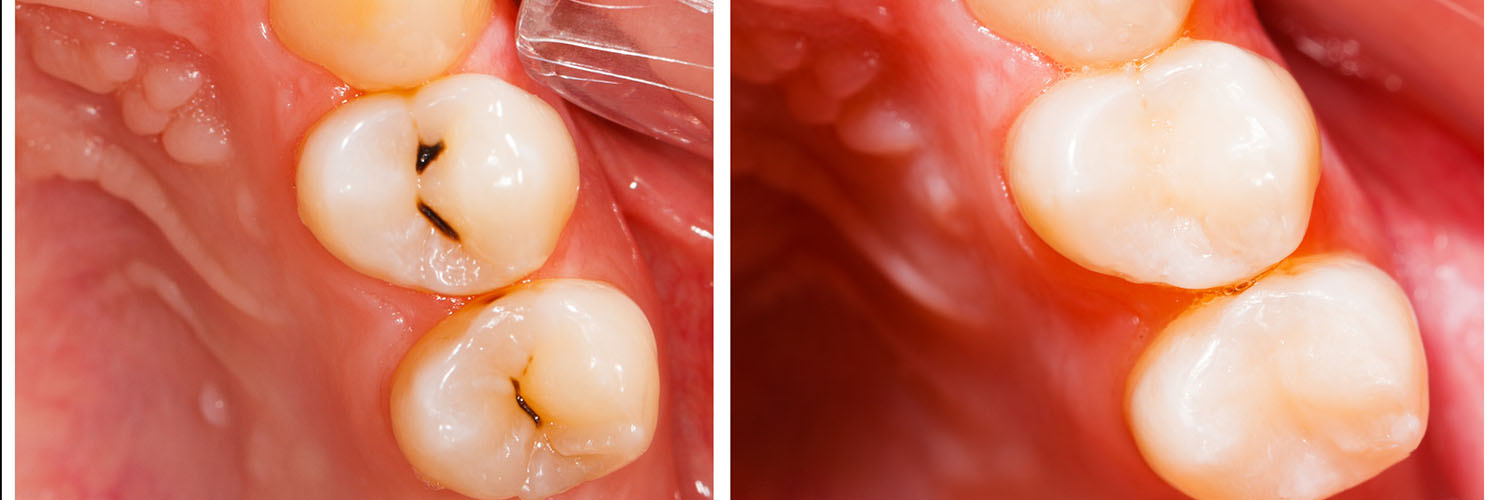
Selecting the best filling material involves balancing durability, appearance, and the amount of tooth structure involved. No single material is ideal for every situation, so our approach is to review the clinical needs and explain the trade-offs so you can make an informed choice.
Location matters: a small cavity on a front tooth calls for a different solution than a large chewing surface on a molar. We also consider factors such as bite forces, the presence of existing restorations, and your personal preferences about metallic versus tooth-colored restorations.
Below are the commonly used restorative materials you’re likely to encounter. Each entry explains how the material performs and the situations where it is most appropriate.
Composite restorations are built from a blend of resins and filler particles that bond directly to tooth structure. Because they are available in many shades and can be sculpted to match the natural anatomy, composites are the go-to option for visible teeth and for conservative repairs where preserving enamel matters.
They strengthen the remaining tooth through adhesion, often require less removal of healthy tissue, and can be polished to a smooth, lifelike finish. Composites can be sensitive to heavy wear over many years and may require replacement or maintenance, especially on large chewing surfaces.
Amalgam has a long history of clinical success and remains a durable choice for certain back teeth that endure strong chewing forces. These restorations are less technique-sensitive during placement and are known for their longevity in demanding areas of the mouth.
Because of their metallic appearance, amalgam is generally reserved for situations where durability is prioritized over esthetics or when a tooth’s structure and position make a tooth-colored option less practical.
Glass ionomer materials bond chemically to tooth structure and slowly release fluoride, which can help protect against future decay. They are especially useful for pediatric patients, cavities near the gumline, or as a transitional restoration in cases where moisture control is a challenge.
While convenient and protective, glass ionomers are less wear-resistant than other options and are often used where long-term chewing forces are minimal or where a temporary solution is acceptable.
Ceramic restorations are fabricated in a dental lab or milled in-office, then bonded into place. They combine excellent esthetics with strong wear resistance and are an excellent choice when a cavity is too large for a direct filling but the tooth does not yet require a full crown.
Because they are indirect restorations, ceramics typically require two appointments (or same-day milling systems) and provide a highly polished, stain-resistant surface that can last many years with proper care.
Gold remains a premium restorative material thanks to its exceptional strength and biocompatibility. When budget and esthetics allow, gold inlays and onlays can offer long-term reliability and a precise fit that is gentle on opposing teeth.
Today, gold is a less common choice due to its cost and metallic appearance, but it still has a place for patients seeking maximum longevity in high-stress areas.
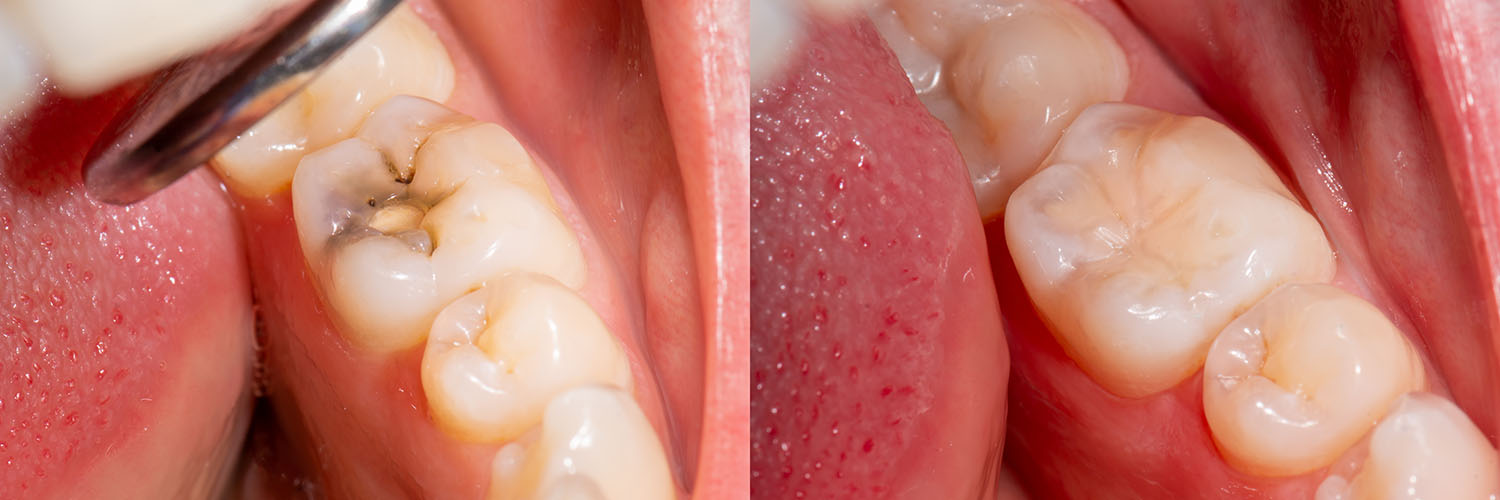
Treating a cavity begins with a careful evaluation that may include visual examination and radiographs. Once the extent of the decay is determined, we’ll review the recommended restorative plan and the reasons for choosing a particular material for your tooth.
Most routine fillings are completed in a single appointment. Before any work begins, local anesthesia is used to ensure comfort, and we take the time to confirm you are numb before proceeding. For patients who feel anxious about dental care, we offer options in sedation dentistry to make the experience more relaxed and manageable.
The treatment itself involves removing the decayed tissue, shaping the cavity to accept the restoration, and placing the chosen material using techniques designed to maximize longevity and fit. For direct materials like composites or glass ionomers, placement is completed chairside. For ceramic or certain indirect options, impressions or digital scans are taken and the final restoration is bonded in a follow-up visit (or milled and seated the same day, depending on the technology used).
Throughout the procedure we focus on gentle handling of the tooth and surrounding tissues, careful polishing, and precise bite adjustment so the restored tooth feels natural when you bite and chew.
Following placement, it’s normal for a restored tooth to feel slightly different for a short time. Temporary sensitivity to hot, cold, or pressure usually resolves within days to weeks as the tooth adapts and any minor inflammation subsides. We recommend eating carefully until numbness wears off to avoid accidental bites to lips or cheeks.
Long-term care is straightforward: maintain a regular routine of brushing twice daily, flossing, and attending professional cleanings and exams. Protect restorations from excessive forces — avoid chewing on very hard objects and discuss night guards if you have teeth grinding or clenching that could stress restorations.
Fillings can last many years, but they are not permanent. Over time restorations may show wear, develop marginal staining, or require replacement due to new decay or changes in the tooth. If you experience persistent sensitivity, pain, or notice roughness or a visible change around a filling, contact our office for an evaluation.
Our team is committed to helping you preserve natural tooth structure and maintaining the function and appearance of your smile. If you have questions about which restorative option is best for you or want to discuss how we can make treatment comfortable, please contact us for more information.
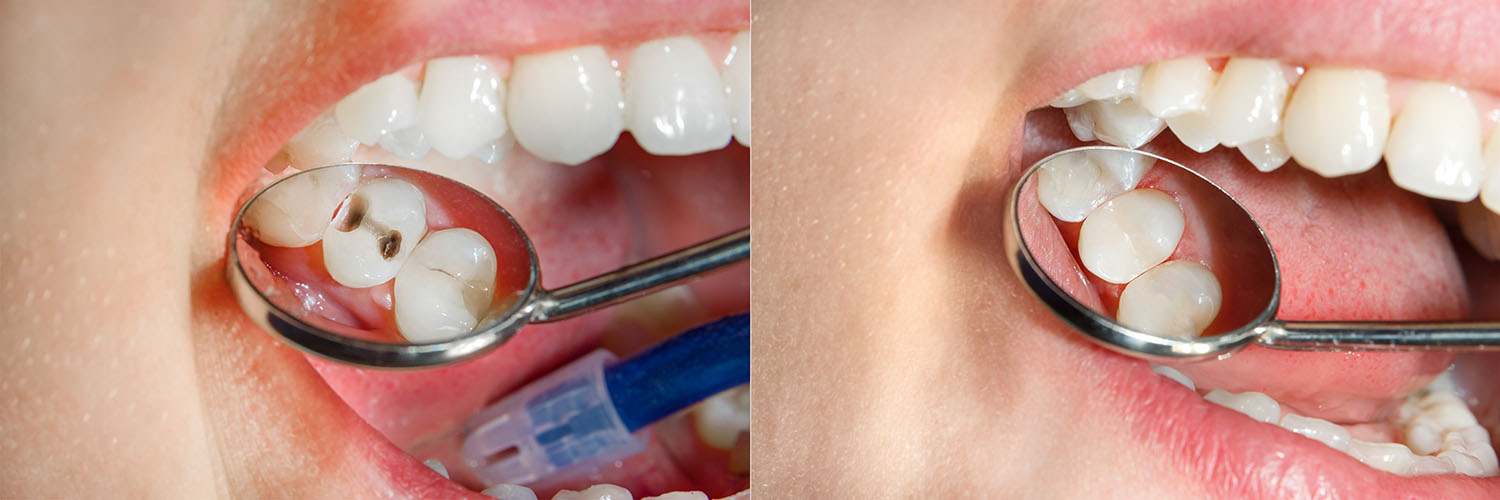

If the pleasure of eating a delicious bowl of ice cream or sipping a soothing cup of tea gets overshadowed by dental pain that makes you wince; it's time to contact our office. As skilled providers of care, we'll determine what's causing your discomfort and perform the treatment required to alleviate your symptoms and get you back on the road to oral health.
Cavities develop because of an infectious process that causes progressive damage to tooth structure. Despite starting as a pinpoint defect on the outermost enamel layer of your tooth, untreated dental decay progressively compromises more and more healthy tooth structure as it works its way to the inner layers of your tooth.
Yes, you can still develop tooth decay on other surfaces of the tooth, around the margins of an old filling, or in fewer instances, recurrent decay underneath it. For this reason, it's essential to maintain excellent oral hygiene, a diet low in sugary beverages and sweets, and be sure to visit our office for routine checkups and care. While tooth decay is second only to the common cold in frequency, it's almost entirely preventable.
We value the time and comfort of our patients. If cavities are located on adjacent teeth, or in the same section of your smile, it may be possible to treat more than one tooth during your visit. However, how much is done each visit depends on several factors. We keep our patients well informed and tailor every treatment plan and visit to address their unique needs.
Addressing concerns on the presence of elemental mercury in silver fillings, the American Dental Association (ADA), The Center for Disease Control and Prevention (CDC), the FDA, and the World Health Organization have all stated that amalgam restorations do not pose a risk to health. However, individuals with allergies or sensitivities to the metals in dental amalgam are advised to pursue other restorative options.
Dental fillings are performed under local anesthesia to help ensure your comfort throughout the entire procedure. The involved tooth remains completely numb for the extent of your visit. Within one or two hours after the procedure is completed, the local anesthetic will gradually wear off, and normal sensations return.
A tooth-colored composite filling is fully hardened and set by the end of your visit. However, we may advise you to wait a couple of hours until the local anesthesia has completely worn off. This advice is to help ensure you don't accidentally bite your lip, cheek, or tongue while still numb.
The lifetime of a dental filling varies depending on the type of material used. While popular dental materials can last a decade or more with proper care, they can degrade over time, wear down, or even break. When this happens, you may experience some tooth sensitivity, a jagged edge, or a loose or dislodged piece of filling material. Whatever the case may be, it's essential to get the filling replaced before the tooth sustains further damage or other consequences arise. Beyond taking good care of your smile to help ensure the longevity of your fillings, our office regularly checks the status of your existing fillings as part of a routine checkup exam.
Dental fillings are an essential investment that serves to preserve and protect the health of your smile. With that said, how much a filling costs depends on the number of surfaces of the tooth involved and the filling material that is used. Amalgam restorations are the most economical. While tooth-colored composite fillings have a slightly higher cost, they offer the added benefits of being metal-free and much more aesthetically pleasing. Ceramic fillings, inlays, and onlays are more expensive than the preceding options but provide outstanding, long-lasting, and natural-looking results.
Dental insurances typically cover the cost of dental fillings. While we work with you to maximize your insurance benefits, there may still be an out-of-pocket expense. At the office of Rise & Shine Dental Group, we strive to help you begin care without any additional financial stress or delay.
A dental filling is a restorative material placed after removing decay or repairing minor tooth damage to restore a tooth’s shape and function. It seals the area where bacteria could reenter and helps prevent further breakdown of the tooth structure. By preserving as much healthy tooth as possible, a filling supports chewing and overall oral health.
Prompt treatment of small cavities with a properly placed filling often prevents the need for more invasive procedures later, such as crowns or root canals. Fillings are used to restore chewing surfaces, repair chipped teeth, and close small defects that trap plaque. At Rise & Shine Dental Group, we emphasize conservative care and modern materials to maintain natural tooth structure and appearance.
Several restorative materials are commonly used, each with distinct strengths and applications. Composite resins are tooth-colored and bond to enamel, making them ideal for visible areas; amalgam is a durable metal option often used for posterior teeth; and glass ionomer cements release fluoride and are useful in certain clinical situations.
Ceramic inlays and onlays are indirect restorations that provide excellent esthetics and wear resistance for larger defects, while gold restorations offer exceptional longevity and fit in high-stress areas. The choice depends on the tooth’s location, the size of the restoration, and functional demands rather than a single universally best material.
Material selection is individualized and considers the tooth’s position, the extent of decay or damage, your bite forces, and aesthetic preferences. Anterior teeth or visible areas often favor tooth-colored composites or ceramics, while large chewing surfaces may require more wear-resistant options. The condition of the remaining tooth structure and any existing restorations are also important factors.
Your dentist will explain the trade-offs between durability, appearance, and how much healthy tooth must be removed for each option. Clinical factors such as moisture control during placement, the need for fluoride release, and your habits like grinding will influence the recommendation. Shared decision-making ensures the chosen material aligns with your oral-health goals.
A filling appointment typically begins with a clinical exam and any necessary X-rays to assess the extent of decay. Local anesthesia is used to numb the area so you remain comfortable, and your dentist will confirm numbness before removing decay and preparing the cavity. For patients who experience anxiety, sedation options are available to make the visit more relaxing.
Direct restorations such as composites or glass ionomers are placed and shaped chairside, then finished and polished before you leave. Indirect restorations like ceramic inlays or onlays may require impressions or digital scans and a second visit unless same-day milling technology is used. Throughout the procedure, attention to fit and bite adjustment helps ensure the restored tooth feels natural.
Most patients experience little to no pain during a filling because local anesthesia numbs the tooth and surrounding tissues prior to treatment. You may feel pressure or vibrations from dental instruments, but discomfort is usually minimal and temporary. For those with dental fear, sedation options can reduce anxiety and make the appointment more comfortable.
After the anesthesia wears off, it is common to notice mild sensitivity to hot, cold or biting for a few days as the tooth settles. Persistent or severe pain, prolonged numbness, or increased swelling should be evaluated promptly, as these can indicate a need for further assessment or adjustment.
Care for a new filling starts with avoiding very hard or sticky foods until numbness subsides to prevent accidental biting and to allow the restoration to set properly if a temporary material was used. Maintain a consistent oral hygiene routine of brushing twice daily and flossing to protect the restoration and surrounding teeth from new decay. Routine dental checkups and cleanings help the team monitor the integrity of the filling over time.
Slight sensitivity or a change in the way the tooth feels when you bite is common and typically resolves within days to weeks. If you notice a rough edge, a high bite, persistent sensitivity, or cracking, contact the office for an evaluation so adjustments or repairs can be made. Proper care and avoidance of excessive forces, such as chewing ice or opening packages with teeth, help extend the life of the restoration.
The lifespan of a filling varies by material, location, and individual habits; many restorations last several years while some last a decade or longer with proper care. Composite fillings may wear sooner in high-stress areas, whereas metal and ceramic restorations can offer greater longevity under heavy chewing forces. The size of the restoration and how much natural tooth remains also influence durability.
Factors that shorten a filling’s lifespan include poor oral hygiene, frequent exposure to sugary foods, bruxism (teeth grinding), and trauma to the restored tooth. Regular dental visits allow your clinician to detect early signs of wear or recurrent decay so maintenance or replacement can be planned before more extensive treatment is needed.
A filling may need repair or replacement if you experience persistent sensitivity, pain, visible cracks, roughness, or a change in the way the tooth fits together when you bite. Marginal staining alone does not always indicate failure, but stains accompanied by softening or breakdown at the edges can signal recurrent decay. Your dentist will evaluate radiographs and the clinical appearance to determine whether the restoration can be repaired or must be fully replaced.
Timely attention to small problems often allows for minimally invasive repairs that preserve more natural tooth tissue. If replacement is necessary, the new restoration is planned to address the underlying cause and improve long-term function. Ongoing monitoring during routine exams helps catch issues early when simpler interventions are possible.
Both amalgam and composite fillings have established clinical track records and are considered safe for the majority of patients when used appropriately. Amalgam contains a combination of metals and has been used for many decades; current guidelines support its continued use in selected situations, while tooth-colored composites provide a mercury-free alternative with strong adhesive properties. Your dentist will discuss material benefits and any specific health considerations that might affect your choice.
If you have concerns about a particular material, your dental team can review the evidence, explain how each material behaves in the mouth, and recommend options suited to your needs. Proper placement and maintenance are key determinants of a restoration’s success regardless of the material selected.
When a cavity is too large for a direct filling to provide lasting strength, indirect options such as ceramic or gold inlays and onlays are frequently considered because they restore form and function while conserving remaining tooth structure. Full crowns are another option when the tooth has extensive damage and requires additional coverage to protect it from fracture. In cases of very deep decay involving the dental pulp, root canal treatment followed by a crown may be the most durable solution.
If a tooth is not restorable due to severe structural loss or infection, replacement options such as dental implants or bridges can restore function and esthetics; these are considered after all restorative possibilities are evaluated. Your dentist will review conservative and restorative pathways and recommend the approach that best preserves oral health and long-term function.