Our Office
28562 Oso Parkway, Suite K
Rancho Santa Margarita,
CA 92688
CA 92688
Existing Patients: (949) 505-9901
New Patients: (949) 272-0877
Fax: (949) 505-9902
Visit Us Online

Keeping your smile healthy takes more than daily brushing and flossing — it requires regular, professional attention that reaches places a toothbrush and floss can miss. Professional dental cleanings are an essential preventive service designed to remove hardened deposits, control bacterial buildup, and give patients the information they need to protect their teeth and gums between visits. When performed regularly, cleanings reduce the risk of decay and periodontal problems while helping patients keep their smiles comfortable and attractive over the long term.
Home care is the foundation of good oral health, but plaque begins forming on teeth minutes after cleaning and can harden into tartar within days to weeks. Once tartar forms, it bonds tightly to tooth enamel and cannot be removed with routine brushing. A professional cleaning eliminates these hardened deposits and the bacterial communities they harbor, lowering the immediate risk of cavities and inflammation.
Beyond visible buildup, dental cleanings reduce the bacterial load in the mouth. Many bacteria linked to gum disease gather below the gumline and in tight spaces between teeth where bristles can’t reach. Removing these colonies helps calm early gum inflammation and can prevent progression to deeper periodontal problems that require more intensive treatment.
Regular cleanings also support oral health monitoring. During every appointment, the dental team checks for signs of early decay, gum changes, and other oral health concerns. Catching these issues early often means simpler, less invasive treatment — and better outcomes for patients.
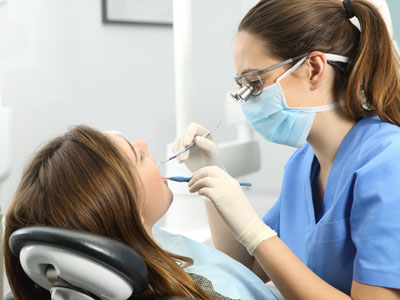
The cleaning process is efficient and tailored to patient comfort. Your dental hygienist begins with an assessment of soft tissues and the spaces between teeth, checking for swelling, bleeding, or other indicators of inflammation. Using a combination of ultrasonic instruments and manual scalers, the hygienist removes plaque and tartar from visible surfaces and slightly below the gumline as needed.
Ultrasonic scalers use gentle vibrations and a controlled water spray to break up stubborn deposits; manual instruments allow the hygienist to refine areas that need delicate attention. These tools, used together, are effective at removing buildup without unnecessary force. For patients with sensitive teeth, the team adapts techniques and timing to minimize discomfort.
After debridement, teeth are polished to remove surface stains and smooth enamel, which helps slow future plaque accumulation. The appointment typically concludes with an evaluation of brushing and flossing technique and personalized recommendations to support at-home care between visits.
Not every patient needs the same frequency or type of cleaning. The dental team customizes recommendations based on factors such as past periodontal history, current gum health, medical conditions like diabetes, tobacco use, and the presence of dental restorations. Patients with healthy gums may be advised to come in twice a year, while those with elevated risk may benefit from more frequent monitoring and maintenance.
When gum pockets or persistent inflammation are detected, the practice may recommend focused periodontal maintenance, which involves deeper cleaning strategies and closer follow-up to prevent disease progression. These decisions are shared with patients so they understand the reasons behind a recommended schedule and can make informed choices about their care.
Education is part of every cleaning. Hygienists review home care techniques, suggest tools that match a patient’s needs (such as interdental brushes, floss types, or electric toothbrush settings), and offer dietary guidance that supports oral health. This partnership approach helps patients reduce risk factors between visits and preserve the results of professional care.
Many patients worry about sensitivity or anxiety during cleanings. The dental team is trained to create a calm, safe experience: they use gentle positioning, clear communication, and allow pauses as needed. For patients with sensitive gums or teeth, topical desensitizing agents or brief applications of local anesthetic can be offered to make the visit more comfortable.
In cases of advanced gum disease, deeper cleaning procedures may be recommended to address deposits below the gumline. These appointments are approached with the same attention to patient comfort and infection-control standards. The goal is to reduce inflammation and stabilize oral tissues while minimizing discomfort and promoting healing.
Infection control and safety are fundamental. The practice follows standard sterilization and cross-contamination precautions to protect patients and staff. If you have specific medical conditions, implant restorations, or a history that affects dental care, the team will review any necessary precautions and adjust the cleaning protocol accordingly.
Regular professional cleanings do more than keep teeth smooth — they are a key part of a broader preventive strategy that preserves function, appearance, and overall health. By removing sources of chronic inflammation and routinely monitoring oral tissues, cleanings help prevent problems that can affect chewing, speech, and self-confidence.
Cleanings also provide an opportunity for early detection of oral concerns, from the first signs of decay to suspicious lesions that warrant further evaluation. Early identification means simpler care and better long-term results. Your hygienist and dentist work together during each visit to share findings and, when necessary, develop a treatment plan that fits your needs.
As a practice committed to patient-centered care, Rise & Shine Dental Group focuses on building long-term relationships. We aim to equip patients with practical skills and clear guidance so that professional cleanings and everyday habits work together to keep smiles healthy for life.
In summary, routine dental cleanings are a cornerstone of preventive oral care: they remove deposits home brushing can’t, lower disease risk, and provide an opportunity for early detection and education. If you’d like to learn more about what to expect at a cleaning or how often you should come in, please contact us for additional information.
A professional dental cleaning is a preventive appointment performed by a licensed dental hygienist or dentist that removes plaque, tartar and bacterial buildup from teeth and just below the gumline. The visit typically includes a soft tissue assessment, removal of hardened deposits with ultrasonic and manual instruments, polishing to reduce surface stains, and guidance on home care. These visits complement daily brushing and flossing by reaching areas that at-home tools cannot reliably access.
The goal of a cleaning is to lower the immediate risk of decay and gum inflammation while allowing the clinician to monitor oral health over time. During the appointment the hygienist also documents any changes in gum health, teeth, or oral tissues that may need further evaluation. This proactive approach supports long-term function, comfort and appearance of the smile.
Professional cleanings remove tartar, which forms when plaque mineralizes and bonds to enamel; once hardened, tartar cannot be removed by brushing alone. Tartar harbors bacterial colonies that can irritate gums and promote periodontal disease, so removing these deposits reduces inflammation and the risk of deeper gum problems. Reducing the bacterial load in the mouth also helps control the progression of early decay and supports general oral health.
Beyond deposit removal, cleanings serve as a checkpoint for early detection of oral concerns such as developing cavities, changes in gum tissue, or suspicious lesions that warrant further evaluation. Catching issues early often means simpler, less invasive treatment and better long-term outcomes for patients. Education delivered during cleanings empowers patients to maintain results between visits.
The appointment begins with an assessment of soft tissues and the spaces between teeth to check for swelling, bleeding or other signs of inflammation. Hygienists typically use an ultrasonic scaler to disrupt heavy deposits and a set of manual scalers to refine areas that need delicate attention, followed by polishing to smooth enamel and remove surface stains. The combination of instruments allows efficient removal of buildup while minimizing unnecessary force and discomfort.
After instrumentation the clinician reviews brushing and interdental cleaning techniques and offers personalized recommendations for home care tools and habits. If sensitivity or other concerns arise during the procedure, the team adapts techniques or provides topical desensitizing agents to increase comfort. The visit concludes with documentation of findings and, when appropriate, a plan for monitoring or follow-up care.
Frequency of cleanings is personalized based on each patient’s oral health, medical history and risk factors such as tobacco use or diabetes. Many patients with healthy gums benefit from a twice-yearly schedule, while those with a history of periodontal disease or other elevated risks may need maintenance appointments every three to four months. Your dental team will recommend an interval that balances prevention with careful monitoring of oral tissues.
Decisions about scheduling are made collaboratively so patients understand the reasons behind a recommended timeline and can take an active role in their care. Regular visits allow the dental team to track changes that could indicate recurrence or progression of disease. Adjusting the frequency of cleanings over time helps maintain stability and preserve long-term oral function.
Yes. The dental team adjusts cleaning protocols for patients with medical conditions, implant restorations, or specific clinical histories to ensure safety and effectiveness. For example, patients with implants or certain restorations may receive alternative instrumentation to protect surfaces, while those with medical conditions that affect healing may follow a modified maintenance plan. Comprehensive medical and dental histories are reviewed to identify precautions and tailor treatment.
When pockets or persistent inflammation are present, clinicians may recommend periodontal maintenance visits that focus on deeper cleaning and closer follow-up to prevent progression. Education and home care strategies are also customized to minimize risk factors between appointments. Clear communication ensures patients understand any special considerations and the rationale for individualized care.
Most patients tolerate cleanings well, and teams use gentle techniques to minimize discomfort, including ergonomic positioning, breaks, and clear communication during the appointment. Patients who experience sensitivity can be offered topical desensitizing agents or brief applications of local anesthetic when appropriate to make the visit more comfortable. Hygienists also adjust pressure and instrument selection for individuals with particularly sensitive teeth or gums.
Slight sensitivity or mild gum tenderness after a thorough cleaning can be normal, especially when significant deposits are removed or when inflammation is present. This typically resolves within a short time with proper home care and, when advised, temporary use of desensitizing toothpaste. If unexpected pain or prolonged sensitivity occurs, patients should contact the dental team for evaluation.
Preparation is straightforward: continue your regular oral hygiene routine and bring a list of current medications and relevant medical information to the appointment. If you have had recent changes in health, new diagnoses, or procedures, inform the dental team so they can adjust your care plan and any precautions. Patients with anxiety or sensitivity are encouraged to discuss concerns ahead of time so the team can plan accommodations for a comfortable visit.
Arriving a few minutes early to complete any necessary paperwork and to review home care questions helps maximize the clinical time available during the visit. If you wear removable appliances, bring them along so the clinician can evaluate their fit and hygiene. Clear communication about symptoms, home care habits and health history enables a tailored, effective cleaning.
X-rays and screenings are part of comprehensive preventive care but are scheduled based on individual need rather than automatically at every cleaning. The dental team evaluates risk factors, clinical findings and the time since the last radiograph to determine if images or additional screenings are warranted. When indicated, X-rays help detect decay between teeth, bone changes, and other conditions that are not visible during a clinical exam.
Oral cancer screening and soft tissue examinations are routine elements of preventive visits and are performed by visual and tactile assessment during the appointment. These screenings are quick, noninvasive and important for early detection of suspicious changes. Any findings that require further evaluation are discussed with the patient and a recommended plan is provided.
Patients with implants, crowns or bridges receive specialized care to protect prosthetic surfaces while effectively managing plaque and bacterial buildup. The dental team uses instruments and techniques that are safe for restorative materials and evaluates the health of surrounding gums and supporting bone. Regular maintenance helps prevent peri-implant inflammation and preserves the longevity of restorations.
Hygienists also review home care techniques specific to implants and prostheses, including the use of interdental brushes, water flossers, or other tools recommended for cleaning around restorations. Close monitoring and timely maintenance appointments are emphasized to address early signs of irritation or recurrence. Clear, tailored guidance helps patients protect both natural teeth and restorative work.
Rise & Shine Dental Group follows standard infection-control protocols and evidence-based sterilization practices to protect patients and staff during all clinical procedures. These measures include instrument sterilization, use of disposable barriers where appropriate, routine surface disinfection, and strict hand hygiene to minimize the risk of cross-contamination. The practice also maintains clinical protocols to address specific medical histories and to adapt care when needed.
Patient safety also extends to clinical decision-making: staff review medical histories, medications and any special considerations before treatment, and they communicate clearly about precautions and post-care instructions. This combination of technical precautions and patient-centered communication helps create a safe, predictable experience for every cleaning visit.